Book Appointment Now

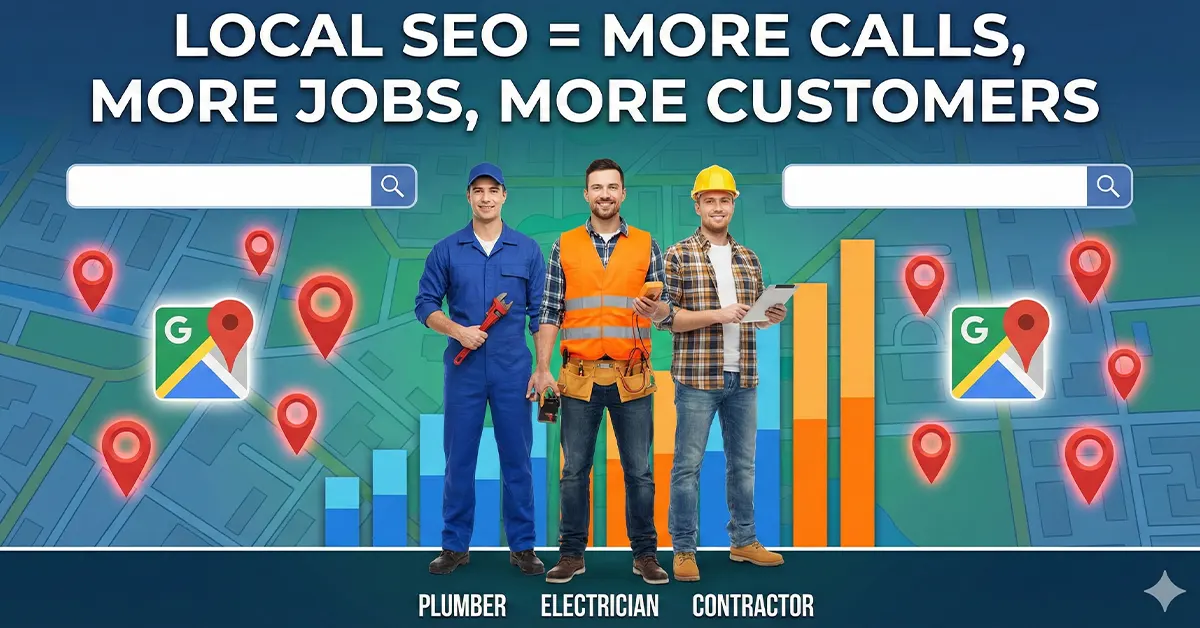
Understanding Local SEO for Plumbers, Electricians, and Contractors
You’ll learn how plumbers, electricians, and contractors can quickly increase their visibility in local search and how local SEO directly impacts their lead generation and customer growth.
My journey with local SEO began with the goal of helping small businesses become more visible online. Over the years, I’ve learned that with the right strategies, any local service business can grow quickly.
Local SEO focuses on attracting customers in a specific geographic area, making it essential for service-based businesses. When people need a plumber, electrician, or contractor, they usually turn to local options. Therefore, having a strong online presence tailored to your community is crucial for attracting new clients.
Importance of Local SEO for Service-Based Businesses
As a business owner in the service industry, I’ve witnessed firsthand how local SEO can transform my connections with prospects. For plumbers, electricians, and contractors, implementing local SEO strategies is vital due to several reasons:
- Visibility in Local Search Results: When potential customers search for services like “emergency plumber near me” or “best electrician in [your city],” you want your business to appear at the top. Local SEO helps ensure that your listing is the first thing they see.
- Increased Website Traffic: By optimizing your website for local searches, you can increase traffic to your site. More visitors typically lead to more calls, emails, and booked jobs.
- Building Trust and Credibility: Showing up in local searches communicates to potential customers that you are an established business in their area. Having a Google My Business (GMB) listing with positive reviews enhances your credibility further.
- Cost-Effective Marketing: Local SEO often requires less investment compared to traditional advertising methods, such as print or TV ads, which may not effectively target your local audience.
Key Differences in Local SEO Strategies for Plumbers, Electricians, and Contractors
While local SEO broadly applies to all service-based businesses, each industry has unique strategies that resonate more effectively with potential clients. Here are the distinctions among plumbers, electricians, and contractors:
- Keyword Focus:
- Plumbers may focus on keywords like “leak repair” or “drain cleaning services.”
- Electricians might target “wiring installation” or “home electrical inspections.”
- Contractors often use broader terms such as “home renovation” or “roof replacement.”
- Content Marketing:
- Plumbers can create blog posts on DIY plumbing tips or common plumbing problems.
- Electricians could write about energy-efficient upgrades or simple home fixes.
- Contractors might showcase their portfolio or case studies about completed projects.
- Service Area Optimization:
- Plumbers should include nearby cities or neighborhoods where they offer services, allowing them to attract local customers effectively.
- Electricians and contractors may benefit from broader service areas but should specify their main locations to maximize their local search presence.
- Using Visual Content:
- Plumbers might use before-and-after images of plumbing fixes.
- Electricians can show photos of interesting lighting installations.
- Contractors should highlight their projects through site tours and project snapshots.
In conclusion, adapting your local SEO strategy to fit your specific service niche can significantly influence your business’s success. By understanding what works best for your industry, you can drive more local traffic and convert that into loyal customers.
Optimizing Google My Business for Local Visibility
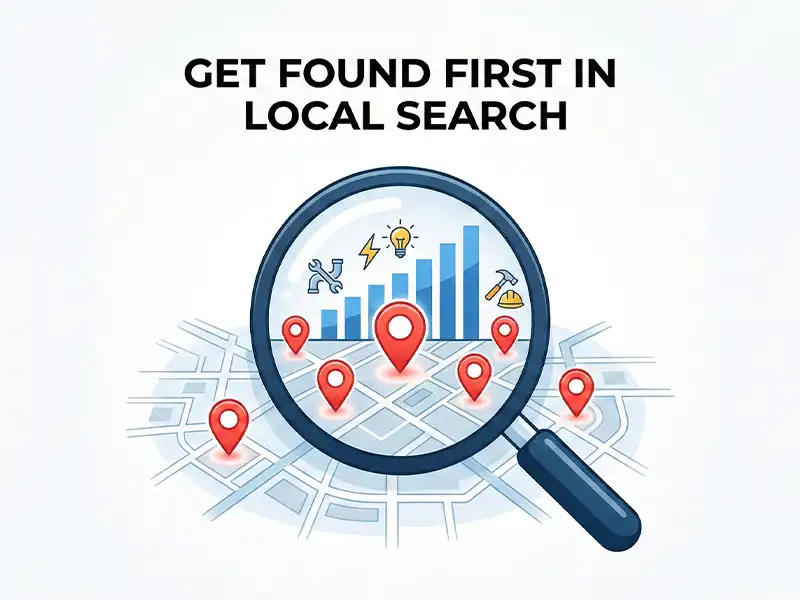
Now that we’ve examined the importance of local SEO and the unique strategies for plumbers, electricians, and contractors, let’s dive deeper into one of the most powerful tools at your disposal: Google My Business (GMB). Optimizing your GMB listing can significantly enhance your local visibility and attract customers who are searching for services just like yours.
Claiming and Verifying Your GMB Listing
Claiming your Google My Business listing is the first step toward optimizing your online presence. It’s a straightforward process, and here’s how I did it:
- Create or Claim Your Listing: Visit the GMB website and search for your business. If it exists, you can claim it; if not, create a new listing.
- Verification: Google will send a verification postcard to your business address with a unique code. Once you receive it, you simply input that code into your GMB account to confirm your ownership.
- Complete Your Profile: Fill out all important details about your business. This includes your business name, address, phone number, and operating hours. Building a complete profile increases your chances of ranking higher in local searches.
Optimizing Business Information and Services
Once your listing is claimed and verified, it’s time to optimize your business information. Here are the steps I followed to ensure my GMB listing stands out:
- Accurate Business Information: Make sure that your contact details are correct. Mistakes can lead to lost potential customers.
- Service Area: Specifically list the areas you serve, especially if you work in multiple locations. This helps improve relevance in local search results.
- Categories and Services: Choose the most appropriate categories for your business. For instance:
- Plumbers might list “plumbing service” or “emergency plumber.”
- Electricians may opt for “electrician” or “lighting contractor.”
- Contractors can use “general contractor” or specific service types like “home repairs.”
- Photos: Adding high-quality images of your work can significantly enhance your appeal. I noticed a positive uptick in inquiries after I showcased before-and-after images of completed projects.
Leveraging Google My Business Posts and Reviews
Engaging with customers through GMB is key to building relationships and trust. Here’s how I effectively leveraged posts and reviews:
- Google Posts: Regularly update your GMB with posts about new services, special offers, or recent projects. These posts keep your audience engaged and informed.
- Encouraging Reviews: Ask satisfied customers to leave reviews on your GMB listing. Positive feedback adds credibility and can be the difference between gaining a new client or losing one. You could say something like, “We truly appreciate your support! If you loved our service, please take a moment to share your experience on Google.”
- Responding to Reviews: Always respond to both positive and negative reviews. Thanking a customer for their positive feedback shows appreciation, while addressing complaints gives you an opportunity to demonstrate excellent customer service.
In conclusion, optimizing your Google My Business listing is a crucial step for local visibility. By claiming and verifying your listing, refining your business information, and engaging with posts and reviews, you’ll be well on your way to attracting more local customers. With persistence and attention to detail, I’ve seen the growth in my own business thanks to this powerful tool, and I believe you can too!
Local Keyword Research and On-Site Optimization
After successfully optimizing your Google My Business listing, the next critical step is focusing on local keyword research and on-site optimization. This part of your SEO strategy helps ensure that potential customers can find you when they search for services in your area. Let’s break down how you can effectively conduct local keyword research and implement these keywords on your website.
Conducting Local Keyword Research for Service Area
Local keyword research involves identifying the specific phrases people use when searching for your services. I’ve been in the digital marketing game long enough to know that targeting the right keywords can make all the difference. Here’s how you can get started:
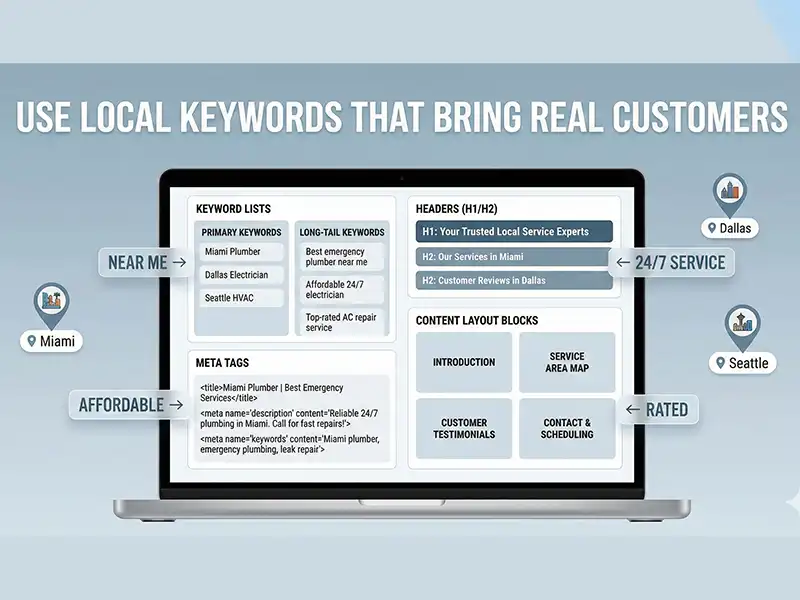
- Use Keyword Research Tools: Platforms like Google Keyword Planner, Ubersuggest, and Ahrefs can help you find keywords relevant to your business. For instance, if you’re a plumber, keywords might include “affordable plumber in [your city]” or “emergency plumbing services near me.”
- Think Like Your Customers: Consider what your customers might type into Google. If I were in need of an electrician, I might search for “licensed electrician for home repairs” or “electrician available today.” Generating a list of potential phrases and questions can provide a useful starting point.
- Analyze Competitors: Check out the websites and GMB listings of competitors in your area. What keywords are they targeting? Tools like SEMrush can help you identify which keywords drive traffic to their sites.
- Focus on Long-Tail Keywords: These are longer, more specific phrases that often indicate a ready-to-buy customer. For example, “best emergency plumber in [your neighborhood]” could be more effective than just “plumber.”
Implementing Local Keywords on Website Content and Meta Tags
Once you have a good list of local keywords, it’s time to weave them into your website. Here’s how I integrate keywords effectively:
- Website Content: Incorporate your keywords naturally into your content. For example:
- Write service pages that detail specific offerings such as “Leak Detection in [City]” or “Residential Electrical Repairs.”
- Create blog posts addressing common questions like “How to Choose a Local Contractor” using your targeted keywords.
- Meta Tags: Don’t forget to optimize your meta title and description. A well-crafted meta description could be something like: “Looking for the best plumbers in [Your City]? Our trusted plumbers are here for all your plumbing needs!”
- Headers: Use headers (H1, H2, H3) that include keywords. This helps search engines understand your content’s structure and improves the likelihood of ranking for those terms.
Enhancing User Experience with NAP and Local Schema Markup
Improving user experience is vital for converting visitors into customers. Here’s how I make my website user-friendly by enhancing local search aspects:
- NAP Consistency: Ensure that your business’s Name, Address, and Phone Number (NAP) are consistent across your website and GMB listing. This consistency builds trust with search engines and customers alike. A simple table might help track where your NAP appears:
| Platform | Business Name | Address | Phone Number |
|---|---|---|---|
| Website | [Your Business Name] | [Your Business Address] | [Your Business Phone] |
| GMB | [Your Business Name] | [Your Business Address] | [Your Business Phone] |
| Yelp | [Your Business Name] | [Your Business Address] | [Your Business Phone] |
- Local Schema Markup: Implement local schema markup on your site. This helps search engines understand your location and services better. You can use tools like Google’s Structured Data Markup Helper to generate this code easily.
In summary, conducting thorough local keyword research and optimizing your website for those keywords are foundational steps for improving your online visibility. By focusing on the right keywords and enhancing user experience, you’re well on your way to attracting more local customers. With each step I took in this process, I noticed an increase in inquiries, and I’m excited for you to see those results too!
Building Local Citations and Online Reviews
Having covered local keyword research and on-site optimization, the next essential component of a successful local SEO strategy is building local citations and managing online reviews. This part of the process plays a significant role in boosting your visibility and credibility in your community.
Importance of Consistent NAP and Citations
As I’ve learned in my experience, maintaining a consistent Name, Address, and Phone Number (NAP) across various platforms is crucial for local SEO. Here’s why:
- Trust with Search Engines: Google and other search engines need to trust that your information is accurate. Inconsistent NAP details can confuse them or lead to inaccurate listings. I’ve noticed that any discrepancies in my own NAP led to missed opportunities and lower rankings in search results.
- Local Citations: These are mentions of your business across various online platforms, including local directories, social media, and more. Local citations influence your rankings and make your business more visible to potential customers.
- Increased Local Authority: When your business is consistently mentioned across different sites, it builds authority. Consumers often turn to directories like Yelp or Angie’s List to find trusted service providers. Having your business listed accurately on these sites helps you reach broader potential customers.
To gauge how you’re doing, consider creating a checklist to ensure your NAP is consistent across all platforms. This way, you can track your citations easily.
Strategies for Acquiring Positive Online Reviews
Asking for reviews can feel a bit awkward, but I’ve found that it’s a key part of building a positive online reputation. Here are some effective strategies I’ve used to encourage satisfied customers to leave feedback:
- Timing is Everything: The best time to ask for a review is right after you’ve completed a job and the customer is happy. For example, after finishing a plumbing job, I’d kindly ask if they could share their experience online.
- Make It Easy: Provide direct links to your GMB or other review platforms in follow-up emails. A simple message could be, “Thank you for choosing us! If you enjoyed our service, please share your thoughts [insert link].”
- Create a Review Request Template: I’ve had success with a templated message that feels personal yet professional. It could read: “Dear [Customer Name], it was a pleasure working with you on your recent project! If you’re happy with our service, we’d greatly appreciate a review!”
- Incentivize Reviews: Consider offering a discount on future services or running a giveaway for those who leave a review. Just ensure that you’re following review platform rules.
Responding to Reviews and Managing Reputation
Once you start receiving reviews, your next step is managing your reputation through thoughtful responses. Here’s how I handle this important aspect:
- Thank Positive Reviewers: Always acknowledge and thank those who leave positive feedback. A simple “Thank you for your kind words!” not only shows appreciation but encourages others to leave their own reviews.
- Address Negative Reviews Professionally: It’s inevitable to face a few negative reviews. What matters is how you respond. I recommend being empathetic in your reply and addressing their concerns. For instance, “I’m sorry to hear about your experience, and we’d like to make it right. Please contact us at [your contact information].”
- Learn from Feedback: Whether positive or negative, reviews can provide invaluable insights. Use customer feedback to improve your services continually. After receiving some critiques myself, I made changes that ultimately enhanced my business.
To recap, building local citations and actively managing online reviews can significantly influence your business’s online presence. By ensuring consistent NAP details, acquiring positive reviews, and responding thoughtfully to feedback, you’ll foster a solid reputation in your community. I’ve seen these strategies work wonders, and I can’t wait for you to experience the benefits!
Leveraging Social Media and Local Content Marketing
Having established the importance of local citations and reviews, we now turn our attention to another powerful aspect of your local SEO strategy: leveraging social media and local content marketing. Using social media effectively can connect you with your community, while valuable content can keep your audience engaged and informed. Here’s how to maximize these tools for your service-based business.
Developing Localized Social Media Strategies
Social media is a fantastic platform to showcase your services and engage with local customers. In my experience, creating a localized strategy has helped strengthen connections with my audience. Here are some steps to consider:
- Know Your Audience: Understand who your local customers are and what platforms they use. For example, if most of my clients are homeowners, Facebook and Instagram might be ideal for visually showcasing my projects.
- Share Local Insights: When I post, I often include local news or community events. Whether it’s a neighborhood cleanup or a local fair, sharing these occurrences fosters community spirit and encourages engagement.
- Create Engaging Content: Utilize various formats—photos, videos, and stories—to keep your audience interested. I’ve had success with quick “how-to” videos demonstrating common repairs, which not only engage potential customers but also establish my expertise.
- Host Q&A Sessions: Conducting live Q&A sessions or webinars on relevant topics allows potential customers to interact with you directly. It’s a great opportunity for them to ask about your services and gain trust.
Creating Location-Specific Content for Better Engagement
Localized content marketing can significantly enhance your online presence. I’ve found that creating content specific to my location draws in more visitors who are genuinely interested in my services. Here’s how to approach this:
- Blog About Local Topics: I often write blog posts discussing local building codes, seasonal maintenance tips tailored to our climate, or highlighting community projects I’ve worked on. These posts resonate with my audience because they directly relate to their needs.
- Utilize Local SEO Keywords: Incorporate local keywords naturally into your content. For example, instead of a general blog title like “Tips for Roof Maintenance,” I opt for “Roof Maintenance Tips for Homeowners in [Your City].”
- Use Local Visuals: In blog posts and social media, include images from your service area or team working on local projects. It creates a sense of community and familiarity that potential clients appreciate.
Collaborating with Local Influencers and Partners
Partnering with local influencers or businesses can broaden your reach significantly. I’ve seen positive results by collaborating within my community. Here are a few strategies you might find helpful:
- Identify Local Influencers: Find individuals in your community who have a strong following and align with your brand. For example, a popular home improvement blogger could be a great ally for a contractor.
- Guest Posting: I often write guest posts for local blogs or websites that focus on home improvement, sharing my expertise while promoting my services. This approach not only drives traffic to my site but also builds my reputation as a knowledgeable resource.
- Cross-Promotions: Team up with other local businesses to host events or run joint marketing campaigns. For example, an electrician and a contractor could work together to offer a “home makeover” package.
In conclusion, leveraging social media and local content marketing is vital for strengthening your presence within your community. By developing localized social media strategies, creating engaging location-specific content, and collaborating with local influencers, you’re well on your way to connecting with customers right in your backyard. I’ve seen the benefits in my business, and I’m eager for you to experience the boost in engagement and visibility as well!
Mobile Optimization and Local SEO Technical Aspects
After discussing the importance of leveraging social media and local content marketing, it’s crucial to focus on mobile optimization and some technical aspects of local SEO. With more people using their smartphones for searches, ensuring your website is mobile-friendly is essential for attracting local customers. Let’s break down the key components of mobile optimization and local SEO.
Ensuring Mobile-Friendly Website Design and Speed
In today’s fast-paced world, most customers, including those looking for plumbing or electrical services, use their phones to find local businesses. When I revamped my website to be mobile-friendly, I saw a noticeable increase in engagement. Here’s how to make your website accessible on mobile devices:
- Responsive Design: Ensure your website adjusts seamlessly to different screen sizes. This means users can browse effortlessly whether they’re using a smartphone, tablet, or desktop. I utilized a responsive design template that allows my site to look good on all devices.
- Quick Loading Times: Website speed is crucial; if it takes too long to load, potential customers may leave before they’ve even viewed your services. I made use of tools like Google PageSpeed Insights to identify areas for speed improvements. Compressing images and minimizing JavaScript helped me significantly here.
- Easy Navigation: A clear and user-friendly navigation system keeps users from getting frustrated. For example, I structured my website with essential services prominently displayed and created a simple, one-click contact option.
- Test and Optimize: Regularly check your site’s mobile experience through tools like Google’s Mobile-Friendly Test. Continuous tweaks can make a big difference in user experience.
Implementing Structured Data Markup for Local SEO
Now that your website is mobile-friendly, implementing structured data markup is the next step. This technical aspect helps search engines understand your content more effectively. Here’s how I integrated it into my site:
- Schema Markup: Use schema markup to provide essential information about your business, like your services and location. This code helps search engines display enhanced listings in search results, which can boost your click-through rate.
- Local Business Schema: Implement local business schema to ensure your NAP information is clearly defined. This markup makes your business more attractive in search results by providing extra information, such as reviews, ratings, and hours of operation.
- Testing Your Markup: Tools like Google’s Structured Data Testing Tool allow you to test your schema markup for errors. I recommend checking it regularly to confirm that search engines interpret your information correctly.
Optimizing Local SEO for Voice Search and Featured Snippets
With the rise of voice assistants like Siri and Alexa, optimizing for voice search is more important than ever. Customers often use conversational phrases when speaking to their devices, which can differ from typical text searches. Here’s how I adjusted my strategy:
- Use Natural Language: When creating content, consider how people speak. For example, instead of just focusing on keywords like “plumber in [City],” I started using phrases like “What is the best plumber near me?” in my content. This helps my site appear in voice searches.
- Focus on FAQs: Creating a FAQ page addressing common inquiries is effective for catching featured snippets. I included clear, concise answers to common questions about my services. Not only does this improve user experience, but it also positions my site as a valuable resource.
- Optimize for Featured Snippets: Structured data can also help you capture featured snippets, which are displayed at the top of search results. By formatting your content correctly, I discovered my listings could sometimes appear in these coveted spots.
In conclusion, mobile optimization and implementing local SEO technical aspects are vital for driving traffic and conversions. By ensuring your website is mobile-friendly, implementing structured data markup, and optimizing for voice search and featured snippets, you’ll be equipped to attract more local customers eager for your services. These strategies helped elevate my business, and I’m excited to see how they’ll benefit yours!
Tracking and Measuring Local SEO Performance
Having covered mobile optimization and technical aspects of local SEO, we now turn to tracking and measuring your local SEO performance. Understanding how your strategies are working and where improvements can be made is essential for ongoing success. Let’s explore how you can set up the right tools and effectively analyze your performance.
Setting Up Google Analytics and Google Search Console
The first step to monitoring your local SEO performance is setting up Google Analytics and Google Search Console. These tools provide invaluable insights into how your website is performing. Here’s how I set them up:
- Google Analytics: This tool helps you track website traffic, user behavior, and conversions.
- Create a Google Analytics account and add your website.
- Install the tracking code on your website or use a plugin if you’re on a CMS like WordPress.
- After a few days, you can start viewing data like how many visitors your site gets and which pages are most engaging.
- Google Search Console: This tool allows you to monitor your website’s presence in Google search results.
- Set up an account and verify ownership of your site.
- You’ll gain insights into search queries leading to your site, indexing issues, and warnings about potential problems.
- You can also submit your sitemap, helping Google understand your site structure.
These tools provided me with a clear view of my website’s performance and how users found me.
Monitoring Local SEO Metrics and KPIs
Next, you’ll want to keep an eye on specific metrics and key performance indicators (KPIs) that reflect your local SEO effectiveness. Here are some important ones I track:
- Keywords Rankings: Monitor where your website ranks for local keywords. Tools like SEMrush or Ahrefs can help you track changes in your search rankings over time.
- Organic Traffic: Use Google Analytics to see how many visitors are coming from organic search results. I often check the “Acquisition” section to see the percentage of users arriving from searches.
- Conversion Rates: This metric shows how well your website turns visitors into customers. Set up goals in Google Analytics to track actions like form submissions or phone calls.
- Bounce Rate: A high bounce rate indicates that visitors are leaving your site without engaging. Keeping this number low shows that users are finding your content valuable.
- Local Pack Visibility: Monitor how often your business appears in local search results, particularly in Google’s Local Pack. Tools like Moz can help you assess your local rankings.
Adjusting Strategies Based on Data Insights
Once you’ve gathered the data, the real work begins: interpreting the results and adjusting your strategies. Here’s how I’ve approached this:
- Identify Trends: Analyze your data for trends. If I notice traffic spikes during certain times of the year, I incorporate seasonal promotional strategies to capitalize on these periods.
- Content Updates: If specific blog posts are underperforming, I revise them to better address user needs or incorporate additional keywords. Regularly updating content keeps it relevant and improves its chances of ranking.
- A/B Testing: Experiment with different strategies, such as call-to-action buttons or landing page designs. By analyzing which options yield better results, I improve my overall performance gradually.
- Checklist for Action: Create a checklist to implement changes based on your data insights. For instance:
- Review and update underperforming content.
- Explore new keyword opportunities based on search trends.
- Adjust local citations and ensure consistency.
In conclusion, tracking and measuring your local SEO performance is a vital part of the process. By setting up Google Analytics and Google Search Console, monitoring key metrics, and adjusting your strategies based on data insights, you’ll continuously improve your presence in local searches. These practices have helped me refine my approach, and I’m excited for you to implement these strategies as well!
If you want to learn more about Step by step guide to local keyword research for small business, feel free to check out the full article, which covers all the steps, tips, and best practices to improve your local SEO.